
Contents
- 📋 Prerequisites & What You Need
- 🔧 Step 1: Choose the Right Shelf Support
- ⚙️ Step 2: Measure the Wall
- 🎯 Step 3: Mark the Wall
- ✅ Step 4: Drill Holes and Install Shelf Support
- 🚀 Step 5: Hang the Shelf
- ⚠️ Common Mistakes & How to Avoid Them
- 💰 Cost & Time Breakdown
- 📊 Expected Results & Metrics
- 💡 Pro Tips & Advanced Techniques
- Frequently Asked Questions
- References
- Related Topics
Overview
This guide covers the essential steps to hang a shelf, including choosing the right shelf support, measuring the wall, and drilling holes. You can find more information on shelf supports and DIY projects on websites like Home Depot and Lowe's.
📋 Prerequisites & What You Need
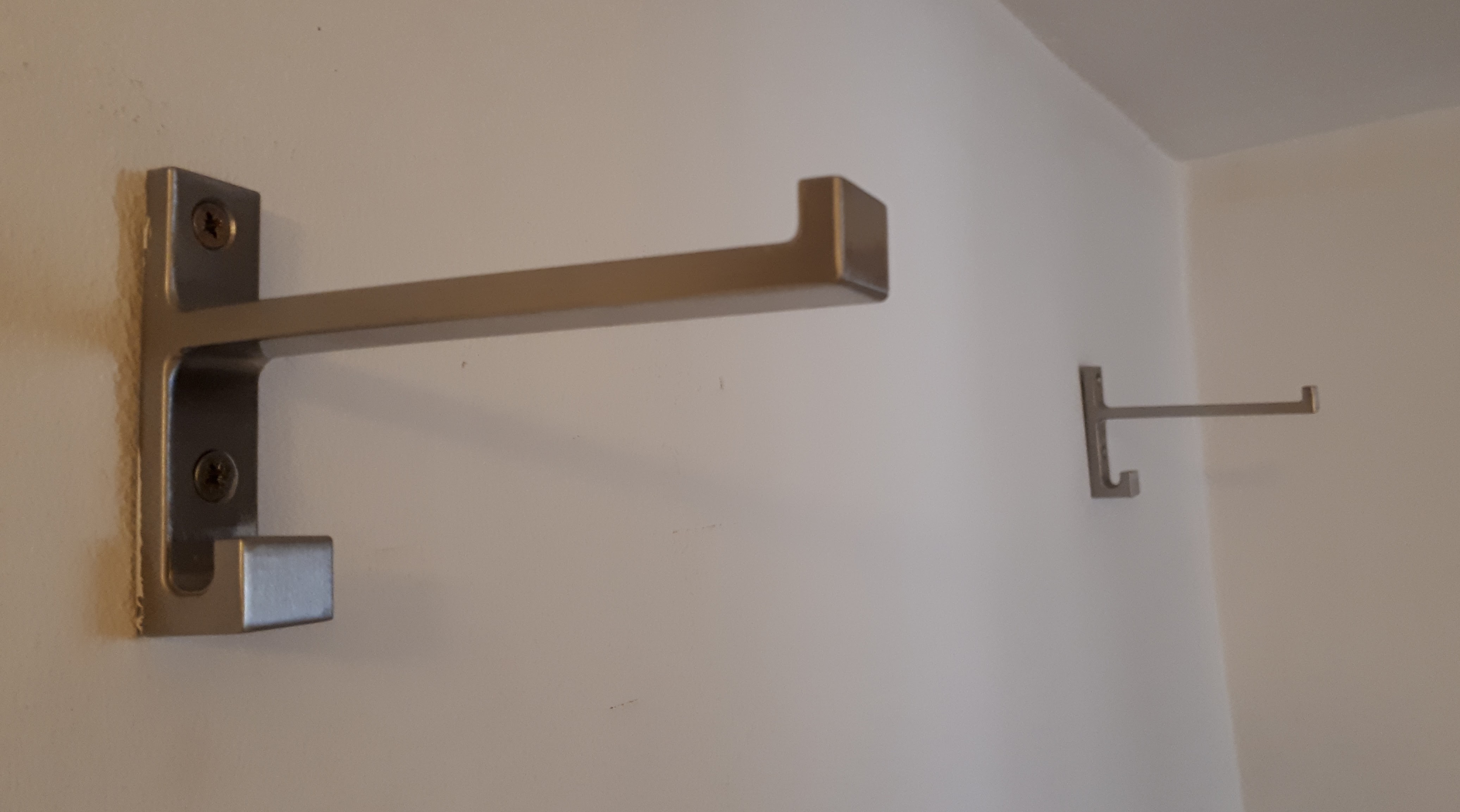
L-shaped shelf supports are a type of angle bracket. You can find shelf supports at most hardware stores or online retailers like Home Depot or Lowe's.
🔧 Step 1: Choose the Right Shelf Support
The first step is to choose the right shelf support for your wall type. There are several different types of shelf supports available, including L-shaped shelf supports, cabinet shelf supports, and wardrobe shelf supports. Consider the weight of the shelf and the type of wall you have when making your selection. For example, if you have a plaster wall, you may want to use a shelf support with a plaster anchor to ensure a secure hold. You can also consider using a shelf support with a hidden bracket for a more sleek and modern look.
⚙️ Step 2: Measure the Wall
Next, measure the wall to determine the best location for the shelf. Use a level to ensure the shelf will be straight, and a stud finder to locate the wall studs. This is important because you'll want to drill into the studs to secure the shelf support. You can also use a laser level to get a precise measurement. Make sure to take into account the size of the shelf and the space around it, as well as any obstacles like electrical outlets or windows.
🎯 Step 3: Mark the Wall
Once you've determined the best location for the shelf, mark the wall with a pencil. Use a level to ensure the mark is straight, and a ruler to ensure it's level. You can also use a chalk line to create a straight line. Make sure the mark is at the same height as the top of the shelf, and that it's centered on the wall stud.
✅ Step 4: Drill Holes and Install Shelf Support
Now it's time to drill holes and install the shelf support. Use a drill bit that's slightly smaller than the screw to avoid damaging the wall. Drill into the wall stud, and then screw in the shelf support. Make sure it's level and secure. You can also use a drill guide to ensure accurate drilling. For example, if you're using an L-shaped shelf support, you'll want to drill two holes, one for each side of the bracket.
🚀 Step 5: Hang the Shelf
Finally, hang the shelf on the shelf support. Make sure it's level and secure, and that it's not too heavy for the shelf support. You can also add additional support, such as shelf liners or shelf dividers, to keep items organized and prevent them from falling off. Consider using a leveling tool to ensure the shelf is perfectly level.
⚠️ Common Mistakes & How to Avoid Them
One common mistake people make when hanging a shelf is not using the right type of shelf support for their wall type. This can result in the shelf falling off the wall, or the wall being damaged. To avoid this, make sure to choose a shelf support that's designed for your wall type, and follow the manufacturer's instructions.
💰 Cost & Time Breakdown
To save time and money, consider using a pre-drilled shelf support, or a shelf support with a quick-install system. You can also use a shelf hanging kit, which usually includes all the necessary hardware and instructions.
📊 Expected Results & Metrics
Plaster anchors are used to secure shelf supports in plaster walls. Hidden brackets are a type of shelf support that is hidden from view.
💡 Pro Tips & Advanced Techniques
One pro tip for hanging a shelf is to use a level to ensure the shelf is straight, and a stud finder to locate the wall studs. This will ensure that the shelf is secure and level, and that it won't fall off the wall. You can also use a shelf organization system to keep items organized and prevent them from falling off. Consider using a custom shelf or a floating shelf for a more unique and modern look.
Key Facts
- Category
- guides
- Type
- concept
- Format
- how-to
Frequently Asked Questions
What type of shelf support is best for a heavy shelf?
For a heavy shelf, you'll want to use a shelf support that's designed for heavy weights, such as an L-shaped shelf support or a shelf support with a heavy-duty anchor. Make sure to follow the manufacturer's instructions and use the right type of anchor for your wall type. Check out Home Depot or Lowe's for more information on shelf supports.
How do I drill holes for the shelf support?
To drill holes for the shelf support, use a drill bit that's slightly smaller than the screw. Drill into the wall stud, and then screw in the shelf support. Make sure it's level and secure. You can also use a drill guide to ensure accurate drilling. Consider using a cordless drill for more convenience and ease of use. You can find more information on drilling holes on websites like YouTube.
How do I hang a shelf on a plaster wall?
To hang a shelf on a plaster wall, you'll want to use a shelf support with a plaster anchor. This will ensure that the shelf support is secure and won't fall off the wall. Make sure to follow the manufacturer's instructions and use the right type of anchor for your wall type. Check out Home Depot or Lowe's for more information on plaster anchors.