
Contents
Overview
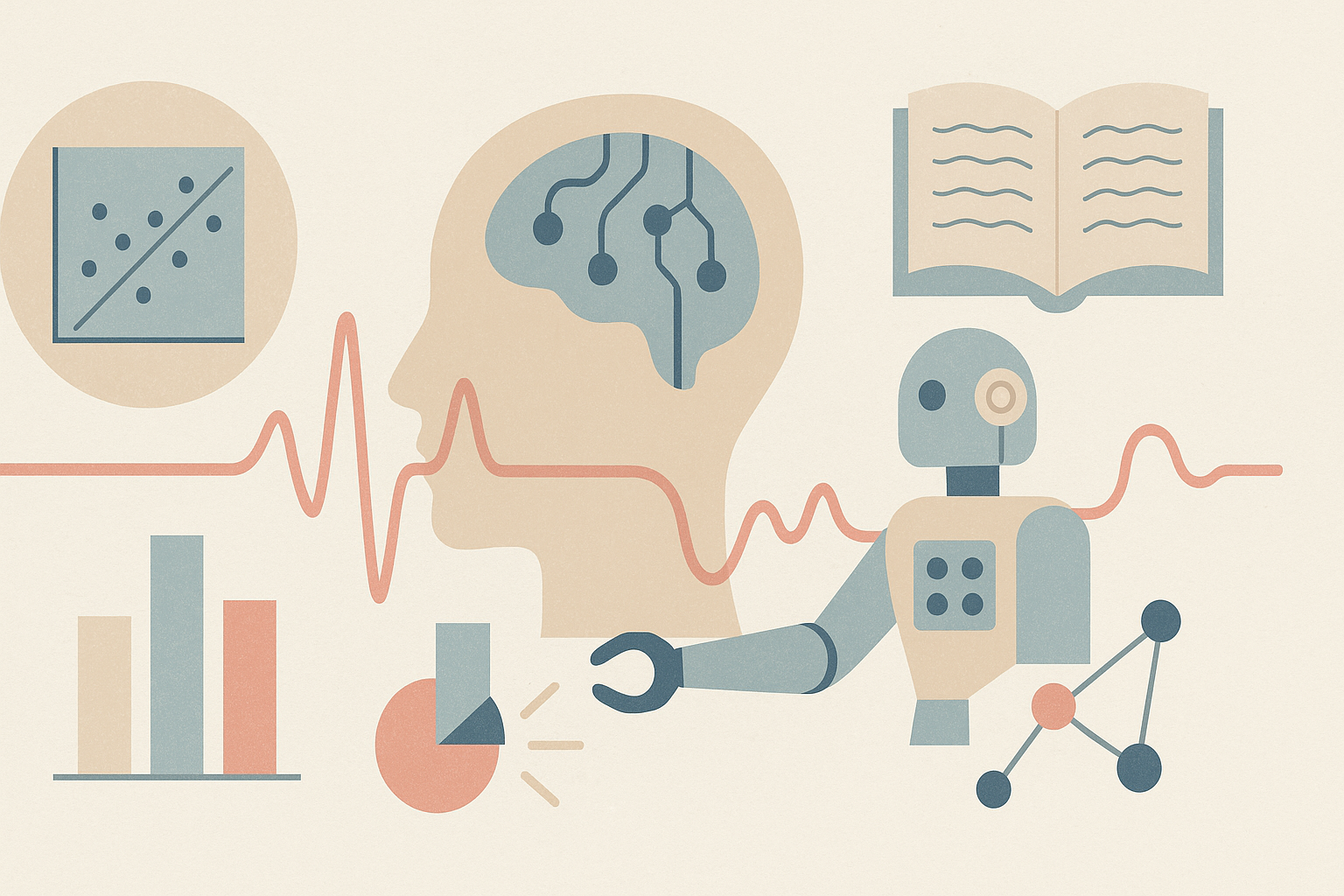
Machine learning is a field of study in artificial intelligence that focuses on the development of statistical algorithms and models that allow computers to learn from data, generalize to unseen data, and perform tasks without explicit programming instructions. This discipline combines concepts from computer science, mathematics, and statistics to create systems that can improve their performance on a task over time. With applications in deep learning, natural language processing, and computer vision, machine learning has become a crucial component of modern artificial intelligence systems. By leveraging large datasets and computational power, machine learning enables computers to recognize patterns, make predictions, and optimize decisions, leading to breakthroughs in fields like healthcare, finance, and transportation.
📖 Definition & Core Concept
Machine learning is a scientific discipline that combines concepts from computer science, mathematics, and statistics to create systems that can learn from data and improve their performance over time.
🔬 How It Works (Mechanics)
The mechanics of machine learning involve the use of data to train models, which are then used to make predictions or take actions. This process typically involves several steps, including data preprocessing, model selection, training, and evaluation.
📊 Key Facts, Numbers & Statistics
Some key statistics and numbers in machine learning include the fact that machine learning algorithms can be used to analyze large datasets and make predictions.
🌍 Real-World Examples & Use Cases
Real-world examples of machine learning include virtual assistants like Amazon Alexa and Google Assistant, which use machine learning to recognize voice commands and respond accordingly. Other examples include self-driving cars, which use machine learning to recognize and respond to their environment, and personalized recommendation systems, which use machine learning to suggest products or services based on a user's preferences.
📈 History & Evolution
The history of machine learning is complex and has evolved over time to include various techniques and applications, including deep learning, natural language processing, and computer vision.
⚡ Current State & Latest Developments
Currently, machine learning is being used in a wide range of applications, from healthcare and finance to transportation and education.
🔮 Why It Matters & Future Outlook
Machine learning matters because it has the potential to improve numerous industries and aspects of our lives. However, it also raises important questions about its impact on society.
🤔 Common Misconceptions
Common misconceptions about machine learning include the idea that it is a replacement for human intelligence, rather than a tool to augment it. Another misconception is that machine learning is only useful for large corporations or organizations, when in fact it can be applied to a wide range of problems and industries.
Key Facts
- Category
- definitions
- Type
- concept
- Format
- what-is
Frequently Asked Questions
What is machine learning?
Machine learning is a field of study that enables computers to learn from data and improve their performance over time. It combines concepts from computer science, mathematics, and statistics to create systems that can learn from data.
How does machine learning work?
Machine learning involves the use of data to train models, which are then used to make predictions or take actions. This process typically involves several steps, including data preprocessing, model selection, training, and evaluation.