
Contents
- 📋 Prerequisites & What You Need
- 🔧 Step 1: Choose the Right Guitar
- ⚙️ Step 2: Learn Basic Guitar Tuning
- 🎯 Step 3: Master Hand Positioning and Finger Placement
- ✅ Step 4: Learn Basic Chords and Strumming Patterns
- 🚀 Step 5: Practice and Play Your First Songs
- ⚠️ Common Mistakes & How to Avoid Them
- 💡 Pro Tips & Advanced Techniques
- Frequently Asked Questions
- References
- Related Topics
Overview
This comprehensive guide teaches you how to play guitar, from choosing the right instrument to playing your first chords and songs. With daily practice, you can improve your skills and become a proficient guitar player. Our step-by-step instructions cover the fundamentals of guitar playing, including tuning, hand positioning, and strumming. You'll learn how to play simple chords, read music, and develop finger strength and dexterity. Whether you're a beginner or looking to improve your skills, this guide provides a clear and structured approach to learning guitar. By following these steps, you'll be playing your favorite songs in no time. The guide is suitable for both acoustic and electric guitars, and we've included tips on how to choose the right instrument for your needs. With patience, dedication, and practice, you can enjoy the many benefits of playing music. You can explore different genres, like rock music or jazz music, to find the style that suits you best.
📋 Prerequisites & What You Need
To get started, you'll need a guitar, a tuner, and a comfortable playing space. Consider visiting a music store to try out different types of guitars, such as acoustic guitar or electric guitar, and consult with a sales representative to find the best fit for your needs. You can also explore online resources, like Guitar World or Ultimate Guitar, for tutorials and reviews. Additionally, you can check out Fender or Gibson for a wide range of guitar options.
🔧 Step 1: Choose the Right Guitar
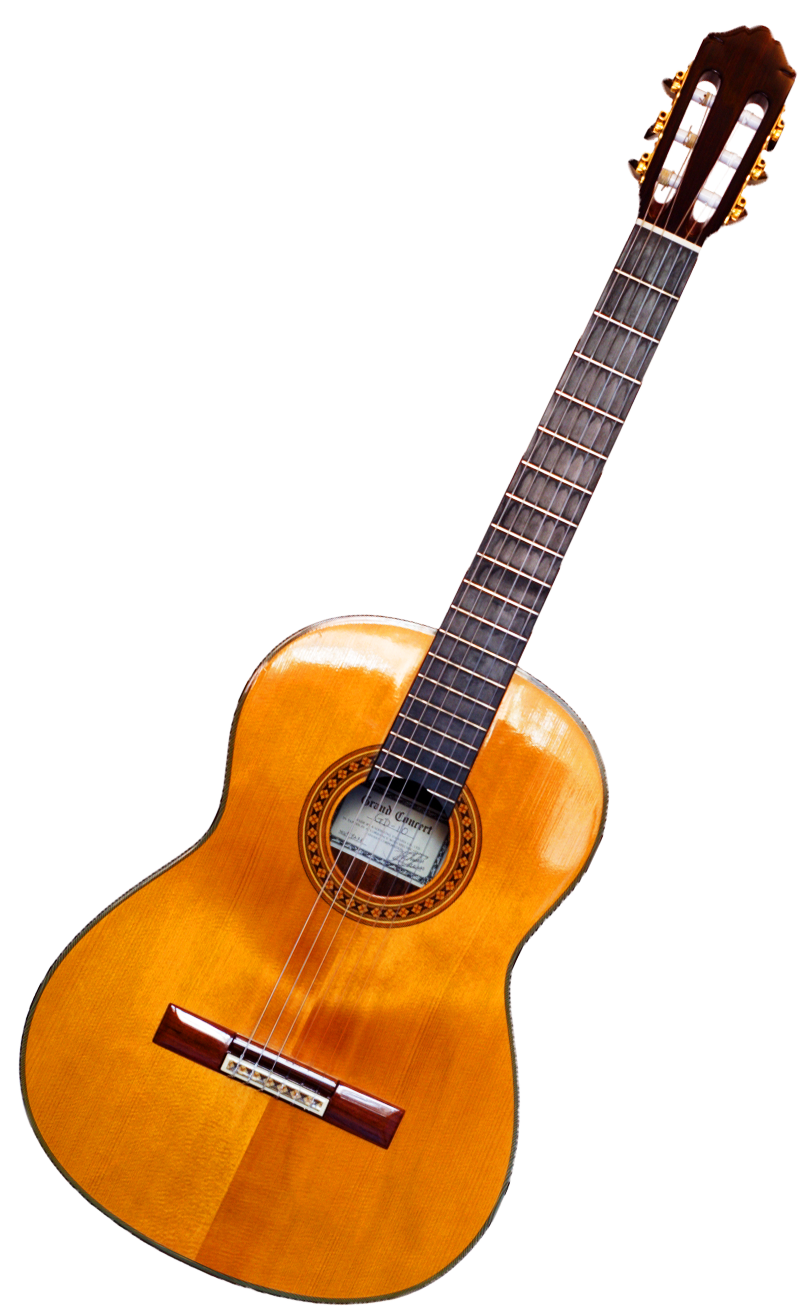
In this step, you'll learn how to choose the right guitar for your playing style and budget. Consider factors like the type of music you want to play, the size and shape of the guitar, and the materials used in its construction. For example, a classical guitar is ideal for fingerstyle playing, while a steel guitar is better suited for country and western music. You can also explore different brands, like Fender or Gibson, to find the perfect instrument. Don't forget to check out Martin Guitar for their high-quality acoustic guitars.
⚙️ Step 2: Learn Basic Guitar Tuning
Learning basic guitar tuning is essential for playing in tune and sounding good. You can use a tuner, like a chromatic tuner, or tune by ear using a reference pitch from a piano or another instrument. Standard tuning is EADGBE, and practice tuning your guitar regularly to develop your skills. You can find many online resources, such as tuning guides or guitar lessons, to help you learn. You can also check out Yamaha for their tuning guides and resources.
🎯 Step 3: Master Hand Positioning and Finger Placement
Proper hand positioning and finger placement are crucial for playing cleanly and efficiently. Hold your guitar correctly, with the neck at a slight angle, and place your fingers close to the fretboard. Practice placing your fingers on the frets, using the pads of your fingers, and develop finger independence by playing simple exercises, like finger exercises. You can also watch videos from experienced guitarists, like Jimmy Page or Eric Clapton, to learn new techniques. Don't forget to check out Steve Vai for his unique playing style.
✅ Step 4: Learn Basic Chords and Strumming Patterns
In this step, you'll learn basic chords and strumming patterns. Start with simple chords like A, C, D, E, and G, and practice changing between them smoothly. Use a metronome, like a digital metronome, to improve your timing and strumming patterns. You can find many online resources, such as chord charts or guitar tabs, to help you learn new chords and songs. You can also explore different genres, like rock music or jazz music, to find the style that suits you best.
🚀 Step 5: Practice and Play Your First Songs
Now it's time to practice and play your first songs. Start with simple songs that use the chords you've learned, like Twinkle, Twinkle, Little Star or Sweet Child O' Mine. Practice regularly and focus on playing cleanly and in time. You can also explore different genres, like classical music or jazz music, to find the style that suits you best. Don't forget to check out John Petrucci for his intricate playing style.
⚠️ Common Mistakes & How to Avoid Them
Common mistakes to avoid include poor hand positioning, inadequate finger placement, and insufficient practice. Make sure to hold your guitar correctly, place your fingers close to the fretboard, and practice regularly to develop finger strength and dexterity. You can also learn from experienced guitarists, like Steve Vai or John Petrucci, to improve your skills. Additionally, you can check out Andy Lau for his unique playing style.
💡 Pro Tips & Advanced Techniques
Music theory is essential for understanding guitar playing, and a digital metronome can improve your timing and strumming patterns. By following these steps and practicing regularly, you can improve your skills and become a proficient guitar player. You can track your progress by recording yourself, like with a digital audio workstation, or by playing with a metronome to improve your timing. You can also explore different genres, like rock music or jazz music, to find the style that suits you best.
Section 9
For advanced techniques, consider learning music theory, like music theory, or exploring different genres, like classical music or jazz music. You can also learn from experienced guitarists, like Andy Lau or Yngwie Malmsteen, to improve your skills and expand your musical knowledge. Additionally, you can check out Slash for his unique playing style.
Key Facts
- Year
- 2022
- Origin
- Global
- Category
- guides
- Type
- topic
- Format
- how-to
Frequently Asked Questions
What is the best type of guitar for a beginner?
The best type of guitar for a beginner is often debated, but a acoustic guitar is usually recommended due to its softer strings and easier playability. However, some beginners may prefer an electric guitar for its thinner neck and lighter weight. Ultimately, the choice depends on personal preference and the type of music you want to play. You can explore different options, like classical guitar or steel guitar, to find the best fit for your needs. Don't forget to check out Martin Guitar for their high-quality acoustic guitars.
How long does it take to learn basic guitar chords?
With regular practice, you can learn basic guitar chords, but the amount of time it takes varies depending on individual factors. Start with simple chords like A, C, D, E, and G, and practice changing between them smoothly. Use online resources, like chord charts or guitar tabs, to help you learn new chords and songs. You can also learn from experienced guitarists, like Steve Vai or John Petrucci, to improve your skills. Additionally, you can check out Guitar Tricks for their comprehensive lessons.