
Contents
- 📋 Prerequisites & What You Need
- 🔧 Step 1: Identify the Clog
- ⚙️ Step 2: Use DIY Methods
- 🎯 Step 3: Use Chemical Drain Openers
- ✅ Step 4: Prevent Future Clogs
- 🚀 Step 5: Maintain Your Drains
- ⚠️ Common Mistakes & How to Avoid Them
- 💰 Cost & Time Breakdown
- 📊 Expected Results & Metrics
- 💡 Pro Tips & Advanced Techniques
- Frequently Asked Questions
- References
- Related Topics
Overview
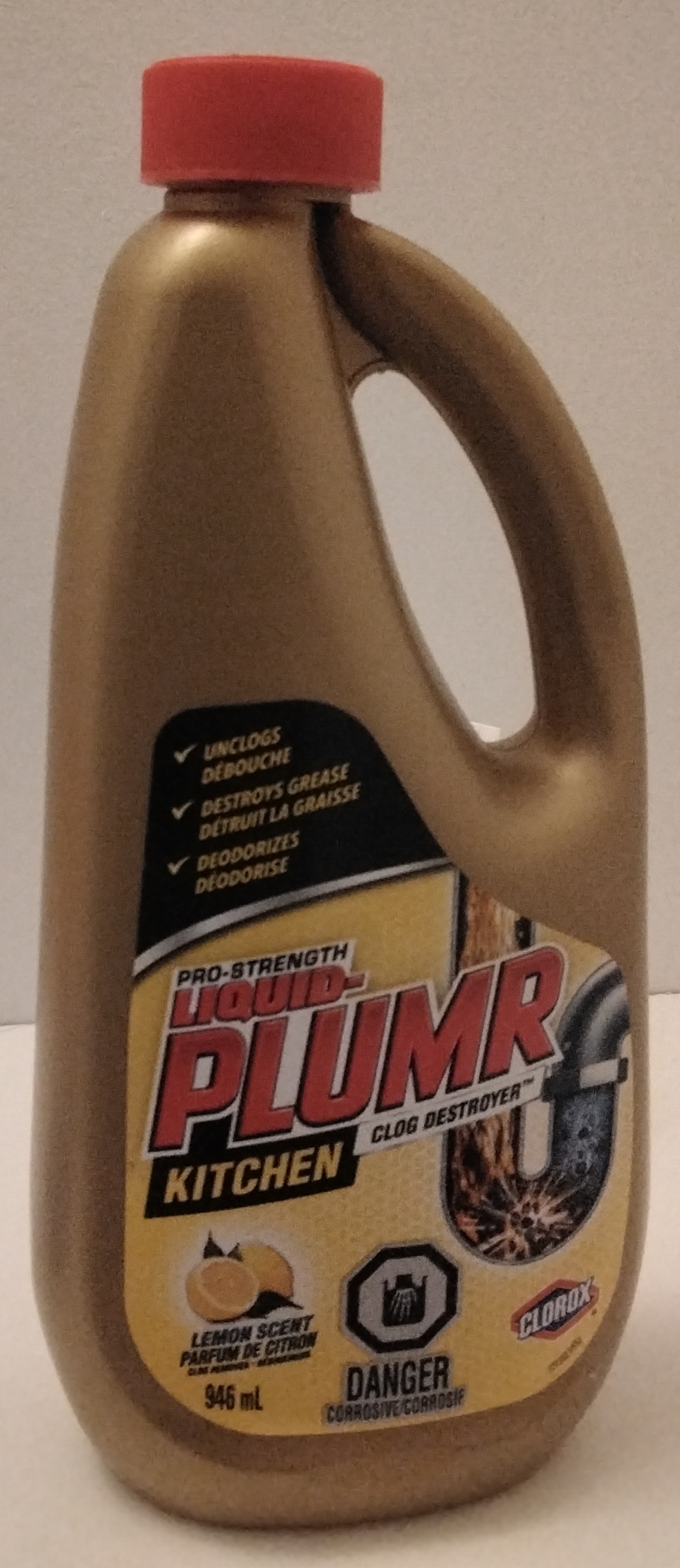
This guide teaches you how to unclog a drain using various methods, including DIY techniques and chemical drain openers like Liquid-Plumr. You'll learn how to identify the cause of the clog, choose the best approach, and safely use chemical products. The methods outlined in this guide are suitable for most types of pipes, but may not be recommended for all materials. By following these instructions, you'll be able to clear clogs and prevent future blockages, ensuring your drains flow smoothly and efficiently, as recommended by National Plumbing Code.
📋 Prerequisites & What You Need
Before you start, make sure you have the necessary tools and materials, including a plunger, drain snake, and chemical drain opener like Liquid-Plumr. It's also essential to wear protective gloves and eyewear to avoid injury, as advised by the Occupational Safety and Health Administration. If you're not comfortable with DIY methods or if the clog persists, consider hiring a professional plumber, such as those found on HomeAdvisor or Angie's List.
🔧 Step 1: Identify the Clog
To identify the clog, start by checking the drain for visible blockages, such as hair or soap scum. If you can't see the clog, try using a drain snake to feel for any obstructions. You can also use a plunger to create suction and loosen the clog. For more complex clogs, consider using a drain auger or consulting a professional, like Roto-Rooter, who can provide expert advice and services.
⚙️ Step 2: Use DIY Methods
For DIY methods, start by pouring 1/2 cup of baking soda down the drain, followed by 1 cup of vinegar. Let the mixture sit for a period of time before rinsing with hot water. You can also use a plunger or drain snake to loosen the clog. If the clog persists, consider using a chemical drain opener like Drano or Liquid-Plumr. Always follow the manufacturer's instructions and take necessary safety precautions, as recommended by the American Plumbing Association.
🎯 Step 3: Use Chemical Drain Openers
When using chemical drain openers, make sure to follow the manufacturer's instructions and take necessary safety precautions. Always wear protective gloves and eyewear, and avoid using chemical drain openers in conjunction with other cleaning products, as advised by the Environmental Protection Agency.
✅ Step 4: Prevent Future Clogs
To prevent future clogs, make sure to regularly clean your drains and avoid pouring grease, oil, or other substances down the drain. You can also use a drain screen or filter to catch hair and other debris before they enter the drain. Consider installing a water softener or grease trap to reduce the risk of clogs, as recommended by Lowe's and Home Depot.
🚀 Step 5: Maintain Your Drains
To maintain your drains, schedule regular cleaning and inspections to catch any potential issues before they become major problems. You can also use a drain maintenance product, such as Bio-Clean, to keep your drains flowing smoothly. For more information on drain maintenance, visit the National Kitchen and Bath Association website.
⚠️ Common Mistakes & How to Avoid Them
Common mistakes to avoid include using too much chemical drain opener, which can damage pipes or cause injury. You should also avoid using chemical drain openers in conjunction with other cleaning products, as this can create toxic fumes. Always follow the manufacturer's instructions and take necessary safety precautions, as advised by the Occupational Safety and Health Administration.
💰 Cost & Time Breakdown
The cost of unclogging a drain can vary depending on the method you choose.
📊 Expected Results & Metrics
By following these steps and taking the necessary precautions, you can help ensure your drains flow smoothly and efficiently.
💡 Pro Tips & Advanced Techniques
For advanced techniques, consider using a drain camera to inspect your drains and identify any potential issues. You can also use a hydro-jetter to clear stubborn clogs and clean your drains. For more information on advanced drain cleaning techniques, visit the National Plumbing Code website.
Key Facts
- Year
- 2022
- Origin
- United States
- Category
- guides
- Type
- concept
- Format
- how-to
Frequently Asked Questions
What is the best way to unclog a drain?
The best way to unclog a drain depends on the type of clog and the severity of the issue. DIY methods, such as using a plunger or drain snake, can be effective for minor clogs. For more stubborn clogs, chemical drain openers may be necessary. If the clog persists, it's best to hire a professional plumber, as recommended by Better Business Bureau.
How do I prevent future clogs?
To prevent future clogs, make sure to regularly clean your drains and avoid pouring grease, oil, or other substances down the drain. You can also use a drain screen or filter to catch hair and other debris before they enter the drain. Consider installing a water softener or grease trap to reduce the risk of clogs, as recommended by Lowe's and Home Depot.
What are the safety concerns with chemical drain openers?
Chemical drain openers can be hazardous if not used properly. Always follow the manufacturer's instructions and take necessary safety precautions, such as wearing protective gloves and eyewear. Avoid using chemical drain openers in conjunction with other cleaning products, as this can create toxic fumes, as advised by the Environmental Protection Agency.
How much does it cost to unclog a drain?
The cost of unclogging a drain can vary depending on the method you choose.
What are the benefits of using a drain camera?
A drain camera can be a valuable tool for inspecting your drains and identifying any potential issues. It can help you detect clogs, cracks, and other problems before they become major issues, reducing the risk of costly repairs and minimizing downtime, as recommended by National Plumbing Code.